Soon

bol

Agenda july 2013

3.07.2013
Extended Piano, solo in Viitasaari (Finland)

Johannes Kreidler: Studie für Klavier, Audio- und Videozuspielung (2011)
Simon Steen Andersen: Pretty Sound, up and down (2009)
Paul Craenen: Das Wohlpreparierte Klavier, nrs 2, 3 & 5 (2009)
F. Croene / C. Czerny: Roll over Czerny, nrs 1, 4 & 6
Peter Ablinger: from Voices and Piano

4.07.2013
Virtuoso piano music, solo in Viitasaari (Finland)

Enno Poppe: Thema mit 840 Variationen (1993/97)
Claude Vivier: Shiraz (1977)
James Dillon: Book of Elements (1997-2002)
Luc Brewaeys: Pyramids of Syberia (1989)

15.07 – 21.07.2013 Zomeracademie (Dworp, Belgium)

Frederik Croene is coaching a summercourse for new media & acoustic instruments


Now

bol

Roll over Czerny, Craenen en Prins

Roll over Czerny is een muziekhistorisch concept dat de schoolse studies van de 19de eeuwse componist Carl Czerny combineert met de intuïtieve oerklank afkomstig uit de buik van een afgedankte buffetpiano. Czerny legde de focus exclusief op het vingertechnische aspect van pianospelen, hij had geen andere muzikale pretentie. Een ontmantelde piano schakelt echter alle vingertechnische mogelijkheden uit.

Pianist Frederik Croene speelt tijdens deze voorstelling een zestal Czerny etudes op een vleugelpiano. Daarbovenop speelt hij muziek op Le Piano Démécanisé, een piano ontdaan van alle mechanische componenten. Met behulp van de computer klinkt die muziek op hetzelfde moment als de net daarvoor gespeelde etudes. Het resultaat is bevreemdend compatibel…

In opdracht van Frederik Croene werkten componisten Paul Craenen en Stefan Prins, beiden in oorsprong pianisten, een serie etudes uit. Net zoals het conceptuele Roll over Czerny kozen de componisten ervoor om ook het instrument piano en het pianistenberoep zelf als onderwerp van hun compositie te nemen. Zo plaatst Stefan Prins (°1979) de pianist in een hypertechnologische setting van webcams, videosamples, midi-klavier, joystick, midi-pedaaltjes en contactmicrofoons.
Paul Craenen (°1972) laat de pianist op een conventionele manier spelen, maar in elke studie wordt met behulp van microfoons een digitale klankbewerking aan de klankoutput toegevoegd. Daarmee plaatst hij een volledig nieuw instrumentaal concept naast de twee invloedrijkste pianoconcepten uit de muziekgeschiedenis, het Wohltemperierte Klavier van Bach en de Prepared Piano van John Cage.

Programma
Paul Craenen (°1972)
Das Wohlpreparierte Klavier, Etudes nrs 2, 4 en 5 (2009)
Voor buffetpiano en ringmodulatie (laptop).
Een opdracht van Frederik Croene

Stefan Prins (°1979)
Etudes Intérieures #2-5 (2011)
Voor vleugelpiano, video, midi-klavier, laptop.
Video-registratie van improvisaties Frederik Croene: Kobe Wens
Programmatie: Stefan Prins & Klaas Verpoest
Een opdracht van Frederik Croene.

Czerny/Croene (°1973)
Roll over Czerny (1830/2011) (30′)
Voor vleugelpiano, Le Piano Démécanisé en laptop (software ontwikkeling door Kristof Lauwers voor Stichting Logos)
Originele studies uit Die Schule der Geläufigkeit Op. 299 Cah. 4 van Carl Czerny, gecombineerd met nieuwe muziek op een ontmantelde piano.


bol

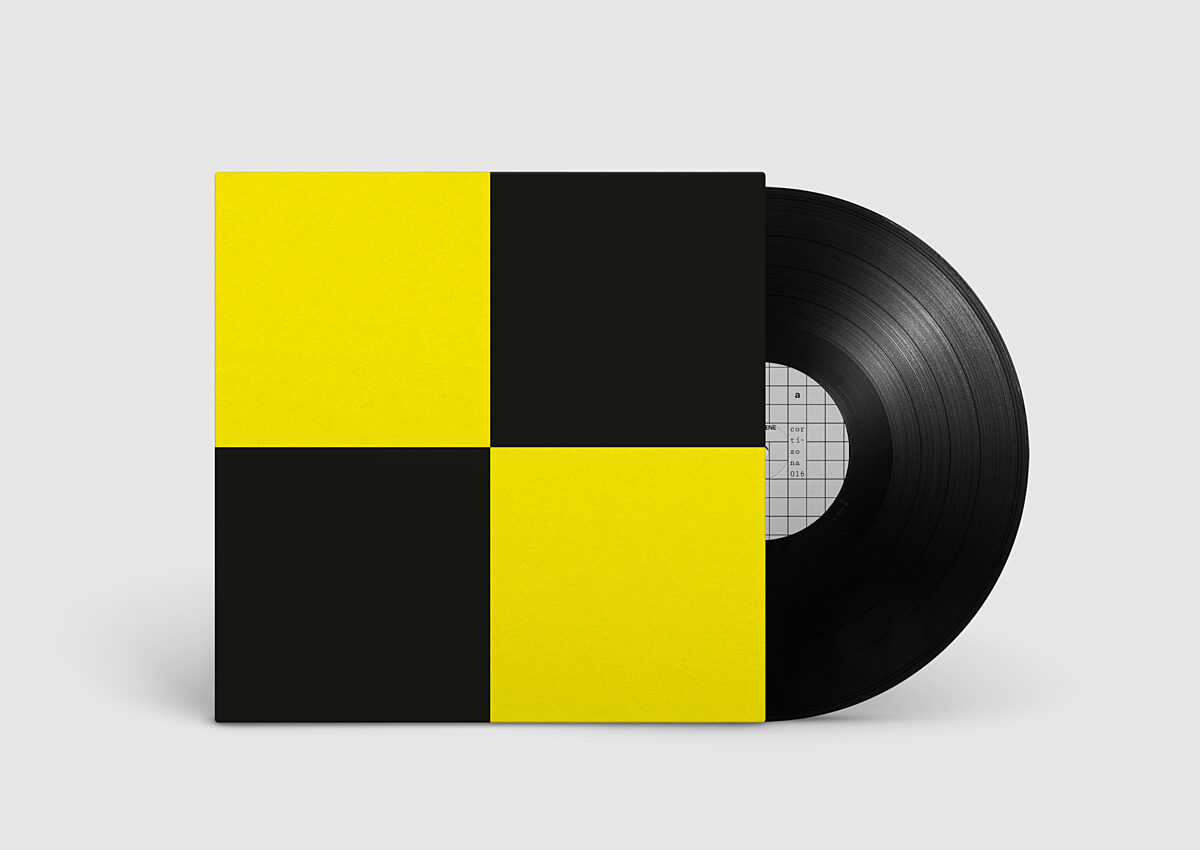
Le Piano Démécanisé (LP)

Buy, listen and read a review here.

Tracklist:
A1. Réanimation Forcée
A2. Amour Éternel
A3. Toccata Cardiaque
B1. Poil Palliatif
B2. Gonflammation
B3. Animation Gériatrique
B4. Postludium ‘Pour Le Piano’

bol

492 kilo, an extended piano recital

Acht componisten ‘componeren’ een ‘stuk’ voor ‘pianist’ Frederik Croene. De focus ligt op de fysieke massa van het instrument, niet op tradities of abstracte klank. Die spelen niet zo’n belangrijke rol in de voorstelling. De piano wordt onbevangen benaderd, nieuwsgierig naar zijn direct aanspreekbaar klankpotentieel en visuele robuustheid. Enthousiast voegen de componisten er video, midi-klavier, een ijssculptuur, projecties op oude piano onderdelen, mechanische klankobjecten, talloze contactmicrofoons, software of conceptuele perspectieven aan toe..Het begeesterende zelfvertrouwen waarmee deze kunstenaars hun opdracht opnemen, bewijst dat ze deel uitmaken van een nieuwe golf van complexloze talenten die de klassieke muziek de vernieuwende -en altijd gezonde- schop onder de kont kan geven.

bol

Roll over Czerny, Beethoven en Liszt

Beethoven, Sonate Opus57 inf – Appassionata (1805), Liszt, Etudes d’Execution Transcendante (1852), Czerny/Croene, Roll over Czerny (1830/2011), Met dank aan Mark Delaere (Transit Festival) en Pieter-Paul Mortier (Artefact Festival)

De Oostenrijkse pianist en componist Carl Czerny (1791-1857) werd onsterfelijk door zijn onovertroffen studiemateriaal voor piano. Het grootste deel van dit pianotechnisch oeuvre was hoofdzakelijk bedoeld als een trainingsprogramma voor een vlot en vaardig vingerspel bij het instuderen van virtuoze pianomuziek. Zo vormde de aartsmoeilijke sonate Appasionata van Beethoven voor zijn leerling Czerny een aanleiding om voorbereidende oefeningen (études) te componeren. Een musicologisch vervolg hierop zijn de Etudes d’Execution Transcendante van Liszt die zelf les kreeg van Czerny en het werk aan zijn leermeester heeft opgedragen. Zoals het mechaniseren van productieprocessen industriële successen verhoogde, ontleenden 19de eeuwse klaviervirtuozen hun mythische status onder meer aan de pianostudie.

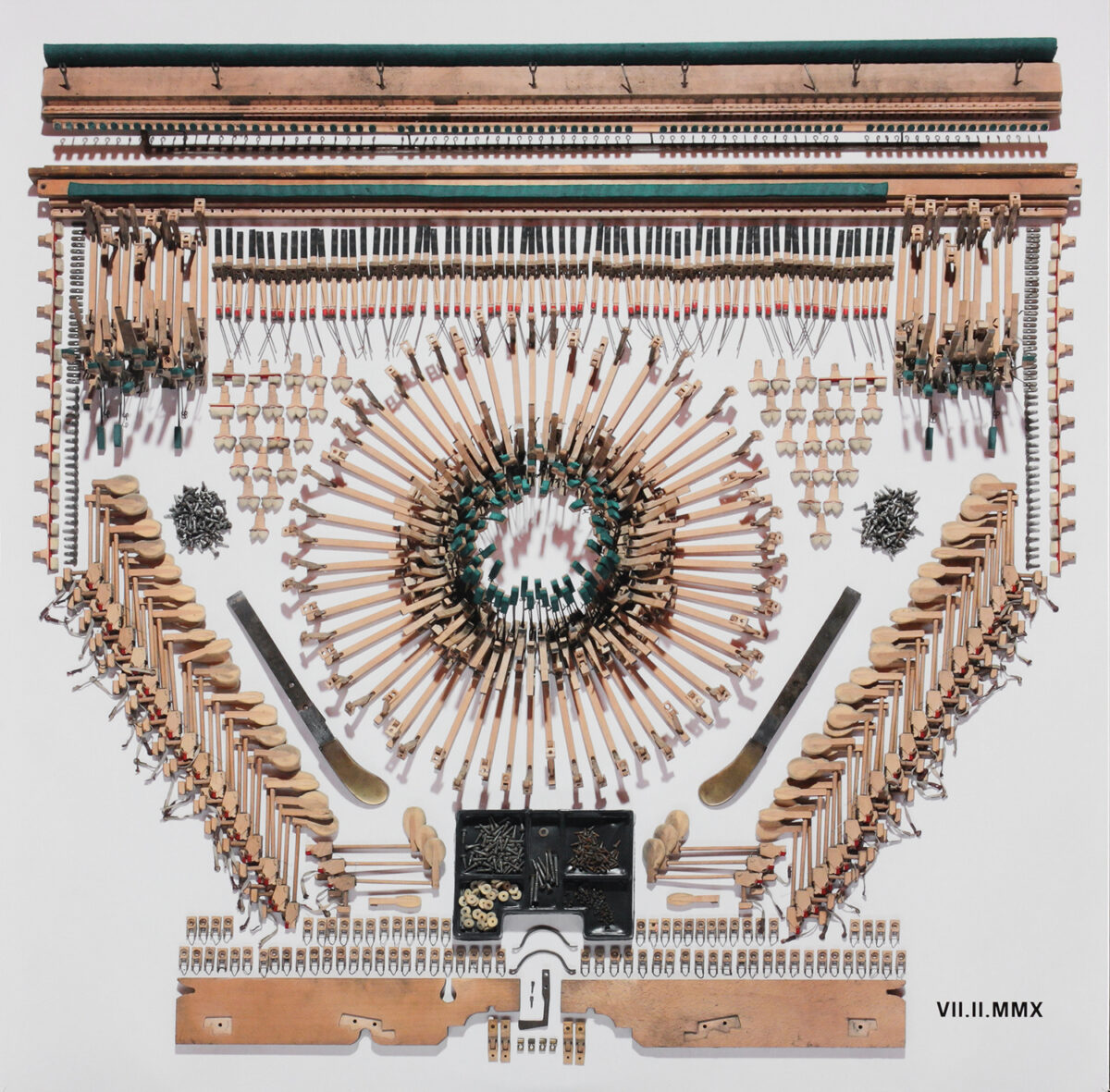
Roll over Czerny zoomt met een 21ste eeuwse blik in op het virtuozendom en geeft schoolse etudes een plaats op het concertpodium tussen de meesterwerken waar ze horen. Hierdoor krijgt het publiek een inkijk op het verborgen wordingsproces van de pianist. Om deze openbaring volledig te maken, verliest ook de piano aan het einde van het concert alle mechanische componenten tot er een pianokader – Le Piano Démécanisé – overblijft. Voorgeprogrammeerde klankidealen verdwijnen en geven ruimte aan ‘gedemechaniseerde’ geïmproviseerde muziek. In dit concert werpt Frederik Croene zich dan ook op als een ambassadeur van traditie en vernieuwing, precies zoals Czerny een spilfiguur tussen Beethoven en Liszt was.

Programma

Beethoven (23′) | Sonate Opus57 in f, Appassionata (1805)
Allegro assai. Andante con moto. Allegro ma non troppo
Liszt (10′) | Etudes d’Execution Transcendante (1852, opgedragen aan Czerny)
No.4 ind, Mazeppa. No.7 inEs, Eroica
Czerny/Croene> (30′) | Roll over Czerny (1830/2011)
Originele studies uit Die Schule der Geläufigkeit Opus 299 Cahier 4 van Carl Czerny op vleugelpiano in
combinatie met nieuwe muziek voor Le Piano Démécanisé en laptop (softwareontwikkeling door
Kristof Lauwers voor Stichting Logos).

31. Molto allegro
32. Presto volante
33. Molto allegro e veloce
34. Allegro molto vivo ed energico
35. Allegro vivacissimo
36. Presto


Past

bol

FloraX

Merelbeke Flora

Opening Weekend PostX

This project is for Frederik Croene the final chapter in his adventures with old pianos. He donated his beloved collection of battered pianos to a new, local art initiative PostX. In this building, the former post office of the neighborhood Flora, artist Wouter Cox is developing an experimental workspace for artist residencies and other artistic happenings. For its first project, FloraX, a collective of artists living in the close surroundings of the building were asked to participate. Kristof Claeys, Marleen Duc and Wouter Cox are sculptural artists, Bert Seynaeve is a painter. Together they came up with the idea to construct a piano tower, paint it red and place it at the entrance of the safe of the post office. In this safe world famous tenor Zeger Vandersteene will sing Lieder from Winterreise by Franz Schubert, accompanied by local pianist Frederik Croene.

(more…)

sat.10/12: 14h-18u:opening 20u:film inspired by Winterreise
sun.11/12: concert with Lieder from Winterreise (F.Schubert) By Zeger Vandersteene (tenor) & Frederik Croene (piano)
Van Goethemstraat 33-9820 Merelbeke Flora

bol

Sturm und Drang, cd

Three classical sonatas

recorded summer 2007
Mozart, sonate in a, KV 310
Beethoven, Waldsteinsonat, Opus 53
Schumann, Sonate nr 2 in g, Opus 22


bol

Residencies

2011 PostX, Merelbeke: FloraX with Kristof Claeys, Wouter Cox, Marleen Duc a.o.
2011 De Singel, Antwerp:’492 kilo, an extended piano recital’ produktion process
2011 Pianofabriek, kunstenwerkplaats Brussel: ’492 kilo, an extended piano recital’ produktion process
2011 QO2 Kunstenwerkplaats Brussels: research/performance with Hallveig Agustsdottir

2010 Centre Frans Masereel: sound/image research with Hallveig Agustsdottir
2009 Radstua Theatre in Tromso (NO), ‘Frames for Nostalgia’ with Liv Hanne Haugen, Edurne Rubio and Lawrence Malstaf
2009 Gent, Gentjazz Festival at Augustijnenklooster: residency with Timo van Luijck
2008 Kortrijk, Happy New Ears Festival: residency with Timo van Luijck
2007 International Street Theater Festival Gent: ‘Pianos Palliatifs’ with Erik Bassier
2006 Concertgebouw Brugge: ‘Vertigo’ with Tomma Wessel & Esther Venrooy
2005 Be-Part Waregem: ‘Schling!’with Eva-Maria Bogaert & Stefan Prins
2004 Handelsbeurs Gent: artist in residence
bol

Pianos Palliatifs

Klanktheater voor performer en pianist

Performer/objectenmanipulator Erik Bassier en pianist/improvisator Frederik Croene brengen afgedankte piano’s en versleten etalagepoppen samen in een extreme voorstelling rond palliatieve vraagstukken: wanneer is iets of iemand versleten, welke criteria worden daarvoor aangewend en tot op welke hoogte heeft men daar zelf iets over te zeggen?

Sisyphus’ eeuwigdurende trouw of verknochtheid aan de opdracht en de anarchistische wetten van de autodestructieve kunst worden geconfronteerd met huidige ideeën van beperkte bruikbaarheid, wegwerpcultuur, ‘zalig nietsdoen’ en prepensioen.
De vermolmde geluiden die afgedwongen worden van ontmantelde piano’s die zelfs nauwelijks nog op de toetsen kunnen worden bespeeld, vormen de melancholische klankband voor dit tragikomische klanktheater.

Internationaal Straat Theater Festival Gent, 2006
met dank aan Galerij Link


pianos palliatifs deel 2 door oorgetuige

bol

Mahler Démécanisé

In opdracht van het Klara Festival 2010 maakt pianist Frederik Croene een arrangement van het eerste deel van de 4de symfonie van Mahler voor ‘Le Piano Démécanisé’. Uitgangspunt van het arrangement is niet de partituur of de klank van Mahler’s compositie, wel alle secundaire literatuur die over deze symfonie is geschreven of er aanleiding toe was, zoals het slotdeel uit Goethe’s Faust.

Uit deze enthousiaste beschrijvingen en biografische verwijzingen wordt een scenario gedistilleerd dat de oorspronkelijke partituur negeert.Vervolgens wordt voor dat scenario een soundtrack gecomponeerd die Frederik Croene live zal spelen op een ontmantelde piano.

Datum 09/09/2010
Aanvang 22.00u
Zaal Paleis voor Schone Kunsten – BOZAR
Stad Brussel
Uitvoerder: Frederik Croene (piano démécanisé)
Organisatoren Klarafestival, International Brussels Music Festival
Co-productie Festival van Vlaanderen Brussel & BOZAR Music


bol

Solorecital contemporary flemish music & Claude Vivier

Bart Vanhecke (1964),
Après la Pluie(2009)
Mattijs Van Damme (1975),
Confabulations (2009)
Paul Craenen (1972),
Das Wohlpreparierte Klavier (2009)
Frederik Croene (1973),
Poil Palliatif (2009)
Claude Vivier (1948-1983),
Shiraz (1977)
performed by Frederik Croene, piano, piano démécanisé
electronics Paul Craenen

Première at Transit Festival 2009
Holland Festival, Amsterdam, Zaha Hadid Bach Pavilion, June 2010

bol

Frederik Croene & Timo van Luijk

Klassiek pianist Frederik Croene en autodidact Timo Van Luijk lijken op het eerste zicht elkaars tegenpolen: Croene kreeg een academische opleiding en voert naast het hedendaagse repertoire ook werk uit van Mozart, Beethoven en Schumann. Timo Van Luijk maakt onder de naam Af Ursin en als lid van het collectief Onde organische, intuïtieve muziek met gevonden objecten en afgedankte muziekinstrumenten. Samen bouwen ze een installatie van kapotte piano’s, die ze als één groot instrument zullen verkennen en bespelen. Deze “metapiano” is het instrument waarin beide muzikanten zullen bewegen, omgeven door de geur van vervallen tradities gaan ze op zoek naar een spontane benadering van het klankgegeven.
(more…)

Première at Happy new Ears Festival, Kortrijk 2008
Augustijnenklooster, Gentjazz Festival, Gent 2009

bol

Le Piano Démécanisé, article

The secret automaton.

The mechanics between piano keys and strings act as a buffer between the pianist and sound. The way the sounds are to be produced has been determined beforehand. It is sound technique protocol that the pianist, from the beginning of his study, learns to conform; any form of sound adventure is crippled. This turns the pianist into a nostalgic character, doomed to think in terms of, and play according to, ancient rules. The black and white geography of the keys encorsets him in a hierarchical system of notes. The pianist is a rigid vision, a willing servant to the secret automaton. 

The intimate authenticity of sabotage.

Once the inner parts of the piano disappear, the former education of the pianist becomes insignificant. Not only has the entire piano repertoire become impossible to play, but his training, stylistic knowledge and idiomatic intuition also become useless. Nevertheless, this sabotage is not a provocation but the ultimate expression of a creative process. The pianist reaches, through the many hours of practice necessary to master an instrument, a fiery physical bond with his instrument. Again and again hands and fingers devote themselves to the keys in a repeated attempt to hear the instrument as an extension of the body. That desire for a perfect symbiosis between the physical body of the player and the instrumental sound is freed when, thanks to the disappearance of the mechanical armour, fingers can finally touch the strings.

A guide for the nostalgic pianist.

The pianist, in the process of dismantling his instrument, is prised out of his role as an interpreter. He’s left behind in a situation where only improvisation and composition can save him. Disarmed as he is, the nostalgic pianist seeks support in a number of rules which remind him of his pianistic identity:

a. He turns an old upright piano onto its back after the keyboard and all the mechanical pieces have been removed.

b. He only uses his hands and parts of the instrument itself for playing; no external objects are utilised to manipulate the strings (‘extended piano techniques’). Neither does he make use of electronic devices to alter the sound (‘piano and electronics’).

c. He records everything himself and there is no cutting, pasting or layering in the recording.

d. He plays the compositions a few times without pausing, consequently choosing the best versions for the album:

“I decided to sabotage the piano and therefore my education at the conservatory. All scores become unplayable, I become inert from a piano player’s point of view. The sense of direction disappears, there’s no more of that black and white geography, only bass copper strings to the right and shorter and shorter strings to the left. Classical note systems become unusable. The love for the instrument is so strong however that I choose to recover the wreckage of the piano (keys, pieces of fabric, metal tenons…). I use the keys as multipurpose mallets, I sometimes introduce piano parts in between the strings and re-build the instrument which can’t be relied to produce exact notes anymore. Furthermore, nothing keeps me from listening to the sound of the varnish being scraped off. Freed from classical tuning I stretch the broken strings right across the frame.”

The dramatic dismantling turns the piano performance into a theatrical experience. You see the pianist as a percussionist squeezing sound out of an obsolete, retired object. No use in being a refined, cultivated pianist as a dandy now, you need muscled arms and a strong back to conquer the uselessness of the instrument. Any concert, when employing this new-found instrument, becomes unpredictable due to the fact that the keys and the frame, not built for this, wear out. The metal pins of the keys have a layer of felt that may come off at any moment, immediately sharpening the sound. The pin might also pierce the key, making it unusable. Bass strings especially tend to break. The keys easily get caught in between strings; releasing them is noisy and requires time and the use of both hands.

The musical fantasy of the performer has to work hand in hand with his mind, which must be oriented towards finding practical solutions. The speed of reaction with which the musician responds to accidents caused by components wearing out determines to what degree he can push the musical build-up. That is why there’s no need to prevent these accidents from happening by, for example, gluing the tissues.

The pianist-writer.

The first action that ‘le pianiste démécanisé’ undertakes is exquisitely nostalgic. He comes up with an album on vinyl and rejects all the modern editing and recording techniques, thus projecting his music in a future from which it returns as a boomerang, and equally securing his place in piano history.

Vinyl, in comparison to CD, offers more graphical possibilities to materialise music and ideas. It traditionally has two covers. The hard outer one protects and enables the visualisation of music, also making room for explanatory text. The thin cover provides extra protection against dust and scratching. This principle is reversed when introducing the external cover in the inner one and displaying all the text on the above mentioned inner cover. Consequently, intuitive music is protected by a cover consisting of this very text. Following the tradition of classical recordings, it is the pianist who provides the necessary description of the music pieces:

Side A
1.      ‘Réanimation forcée’ is the forced reanimation of the piano wreck, a somewhat overloaded opening meant to display a wide spectrum of playing techniques and leading dynamics in a pulsating rythmicity.
2.      The fulfilled, intimate feel of ‘amour éternelle’ voices the unity between instrument and musician, necessary for the concept. The low, dark basses create a resounding universe in which the pianist can daringly prove his love for the strings and resonance with almost painful glissandi. There is a third layer of harp-like sounds which are, in between glissandi and basses, reminiscent of classical piano playing and which act as an intermediary between the two antagonists.
3.      The pianist explores, in the ‘toccata cardiaque’, the physical borders of his rediscovered instrument, consequently alluding to virtuouso toccata tradition from piano literature. He touches the resonating heart of the piano with three crescendos played on different spots of the frame until the strings or the keys with which he drums on the frame may start to give out and therefore sound overmodulated (by touching neighboring strings). That disturbance is a victory since that is normally not possible on modern pianos that have a hammer mechanism. At this point the instrument and the player meet in a transcendental space where the trilling of the strings overpowers the preprogrammed self-protectiveness of the instrument.
Side B
1.      The grotesque ‘poil palliatif’ ritual marks the beginning of the battle with death with scratching noises, odd drum-rolls, hard knocks and beastly cries. The action takes place on the wrinkled skin of the wooden frame where the keys scrape off the varnish and in the cruel strikes on pieces of key that are squeezed in between bass strings. This is no soft treatment but a barbaric plan to bring scrap material back to the purpose of making sound.
2.      ‘Gonflammation’ is the very ritual of burning; in the melting sound deformities, old piano techniques rise to the surface and immediately disappear in the swelling clouds of sound. Recognisable piano notes still spark out here and there from the glowing sound embers. The frame is prepared for burial: measurements are taken using a black key instead of a ruler, a key that is grindingly pushed onto the strings and that creates a dry ‘tock’ whenever it hits the side.
3.      The remaining piano carcass is yet again forced to play an entertaining role in the hysterical dance of ‘animation geriatrique’. The latter is mercilessly restrained with pizzicatos that have more structure than body in their sound.
4.      ‘Pour le piano’ was recorded against all rules using an external sound source that plays a piece of nostalgic piano music in the vicinity of the strings and the microphones. The pianist accompanies the classical sounding music gently touching the strings with his fingers, evoking the sea or the wind that in their turn allude to romantic sanctuaries to which the classical piano music takes us.

bol

Häxan

Bezeten nonnen, satanische rituelen, foltering en inquisitie… De Zweedse cultfilm Häxan uit 1922 onderzoekt bijgeloof en vervolging in de Middeleeuwen, en brengt tegelijk deze duistere wereld tot leven. In een mengeling van documentaire en reconstructie, geschiedenis en verbeelding voert regisseur Benjamin Christensen de toeschouwer mee in een spektakel van hysterie en onkuise verlangens. Vol visuele flair, en moeiteloos laverend tussen middeleeuwse vignetten en moderne duiding, combineert deze film horror en zwarte humor tot zijn eigen occulte genre.

In het kader van het Internationaal Film Festival Vlaanderen Gent trakteert Art Cinema OFFoff  u op een unieke soundtrack, speciaal voor deze voorstelling gecomponeerd door pianist Frederik Croene. Een Hammond orgel, tijdens een concert in Brussel in 1971 als het ware ritueel geprepareerd door Keith Emerson (van Emerson, Lake & Palmer), die het doorboorde met dolken, op één hoek liet rondtollen en het bereed als een wilde stier, vormt het ideale instrument voor een Häxan soundtrack. Geflankeerd door materiaal uit de onderste regionen van het klassieke instrumentarium brengt Croene live experimentele muziek, die de surreëele onderlaag van de film op feestelijke wijze ontmaskert.

Voeg hierbij nog eens de betoverende locatie van het Gravensteen, dat met zijn eigen middeleeuwse geschiedenis en foltermuseum het perfecte historische  kader biedt,  en het alchemistisch recept voor een reis door de tijd is compleet.

Benjamin Christensen – Häxan (1922), 35mm, 105’, ingekleurd, zonder geluid, met Zweedse tussentitels en Engelse ondertitels. Zondag 16 oktober, 20u, Joan Vandenhoute-Zaal, Gravensteen, Sint-Veerleplein 11, Toegangsprijs 10€/7€

bol

Frames for Nostalgia

Nostalgic music on an old, detuned piano, played by a young boy; an old woman dancing.
Experimental music on a dismantled piano, played by a man; a woman dancing.
An almost documentary video projected on a travelling curtain.


Choreographie by Liv Hanne Haugen and her mother in law.
Music by Frederik Croene and his pupil Jérôme Pringiers.
Video by Edurne Rubio.
Installation by Lawrence Malstaf.
Tromse (NO), oktober 2009
Hammerfest (NO), november 2010
Sandefjord (NO), may 2011

YOUTUBE VIDEO Frames for Nostalgia, Louretta Pape & Frederik Croene